2026 Roofing Trends for Energy-Smart Blue Mountains Homes
Energy-smart roofing in 2026 is about more than choosing a reflective roof colour. For Blue Mountains homeowners, the strongest approach combines insulation, moisture control, weather-resistant materials and reliable drainage. A roof must handle summer sunshine, cold winter conditions, wind-driven rain and, in many locations, bushfire exposure.
Whether you are planning advanced roof repair or a complete roofing replacement, focus on improvements that suit your property’s elevation, orientation, construction and surrounding vegetation. These priorities help reduce avoidable heat transfer without compromising durability.
1. Whole-Roof Performance Takes Priority
An energy-efficient home needs a coordinated roof system. Replacing the outer covering alone does not resolve missing ceiling insulation, air leaks, condensation or poorly detailed flashing. Comprehensive roofing services should begin with an inspection of the roof covering, roof space, insulation, drainage and roof penetrations.
Ask your contractor to distinguish between comprehensive roof repair and comprehensive roof replacement. Localised damage may justify targeted repairs, while widespread deterioration can make replacement more practical. Neither option automatically improves thermal performance unless insulation and air leakage are addressed.
For a complete roof installation, request written details covering underlay, insulation clearances, flashing, ventilation and product compatibility. Comprehensive roof reroofing should also include an assessment of the supporting structure rather than assuming it can accommodate a different roofing material.
2. Roof Colours Balance Summer Cooling With Winter Comfort
Lighter-coloured roofing generally absorbs less solar energy than darker finishes, helping limit summer roof-surface temperatures. However, the Blue Mountains has substantial variation in climate and elevation, so the best choice is not necessarily the palest available finish.
Compare published solar absorptance values alongside insulation levels, shading and winter heating needs. A qualified energy assessor can help assess these trade-offs, particularly during a major renovation.
Look beyond coating claims
Advanced painting techniques can improve coating adhesion and durability when preparation and application follow the manufacturer’s specifications. However, a reflective coating is not a substitute for insulation or structural repairs.
When comparing complete painting sealing or comprehensive painting sealing packages, ask exactly which surfaces and defects are included. Comprehensive sealing solutions should address identified joints and penetrations without blocking intended drainage paths. Recoating an unsuitable or badly deteriorated roof can conceal problems rather than solve them.
3. Insulation and Air Sealing Lead Attic Heat Reduction
Although Australian homes commonly use the term “roof space”, searches for attic heat reduction and attic cooling methods address the same practical concern: limiting unwanted heat transfer into living areas.
Start by checking whether ceiling insulation is continuous, dry and correctly installed. Gaps around access hatches and service penetrations can undermine performance. Electrical fittings, flues and other heat-producing equipment require their specified safety clearances.
Seal unwanted air leakage between the home and roof space where appropriate. Bathroom, kitchen and laundry exhaust systems should discharge outdoors through compliant arrangements, not release moist air into the roof cavity. Never block required ventilation openings or combustion-air supplies.

4. Ventilation Becomes More Carefully Designed
Advanced ventilation techniques are most useful when they respond to the building’s actual moisture and temperature conditions. Adding more vents does not automatically deliver better energy performance, especially if the ceiling remains poorly insulated or leaky.
Customized roof ventilation should consider roof geometry, available intake and exhaust openings, prevailing weather and bushfire requirements. Comprehensive roof venting needs balanced airflow and suitable weather protection, not simply a collection of roof-mounted outlets.
Before booking attic ventilation installation, ask how the proposed system works with the existing roof construction. Attic ventilation repair may be more appropriate where vents are blocked, damaged or incorrectly detailed. Powered ventilators also warrant an assessment of electricity consumption and the risk of drawing conditioned air through ceiling leaks.
5. Bushfire-Aware Materials Remain Essential
In bushfire-prone parts of the Blue Mountains, roofing decisions must account for the property’s assessed requirements. Roof coverings, junctions, gutters, vents and ember-entry points all matter. Confirm applicable planning controls, construction requirements and approval pathways before ordering materials.
Metal and tile systems are common options, but suitability depends on the complete assembly and installation details. If an existing property needs cedar shake replacement or asphalt shingle replacement, do not assume a like-for-like product is permissible or appropriate. Check bushfire suitability, structural loading, roof pitch and heritage restrictions first.
When assessing advertisements for certified roof repair or certified roof reroofing, ask what the certification actually covers. Verify the contractor’s relevant NSW licence, insurance, product credentials and written warranty rather than relying on a marketing label.
6. Better Drainage Protects Energy Upgrades
Wet insulation loses effectiveness, and persistent leaks can damage ceilings, framing and masonry. Advanced gutter solutions therefore support energy performance indirectly by helping keep the building envelope dry.
Comprehensive drainage solutions should consider roof catchment area, rainfall intensity, gutter capacity, downpipe placement, overflow provisions and lawful stormwater discharge. Larger gutters alone cannot correct an undersized or obstructed downstream system.
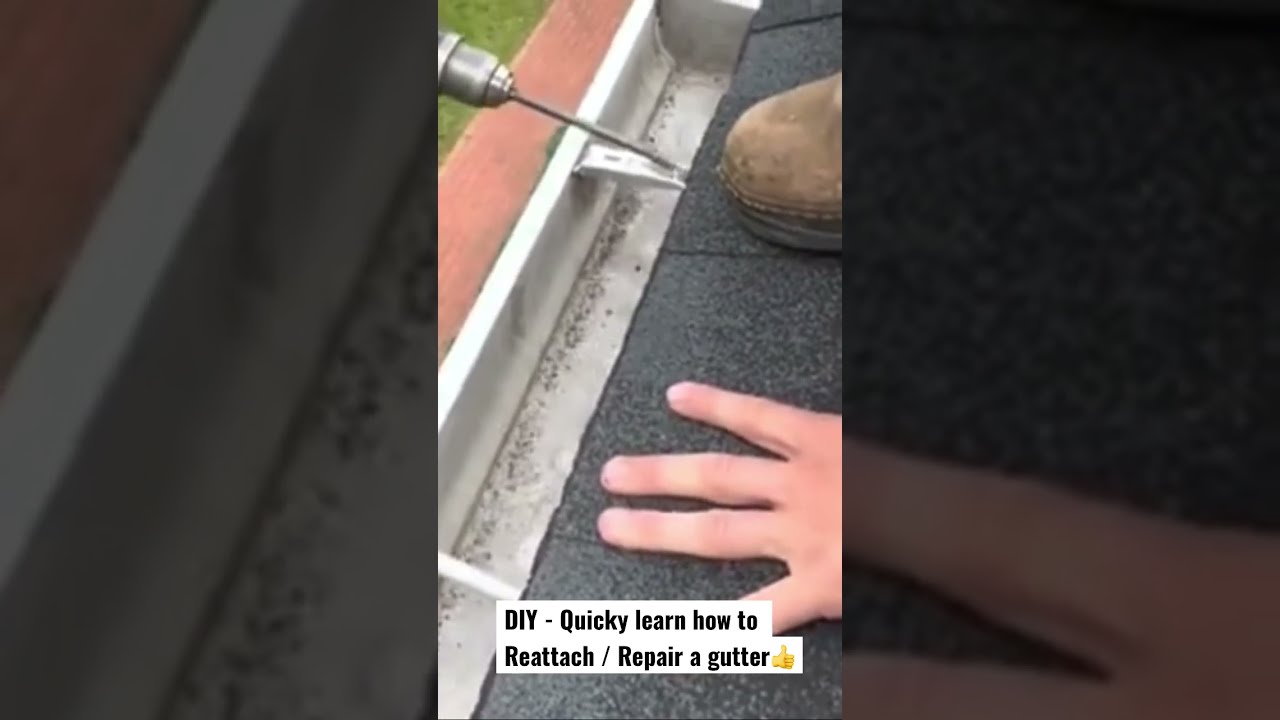
Comprehensive gutter services should include checking falls, joints, brackets and outlet restrictions. Arrange damaged gutter repair before leaks repeatedly saturate walls or roof edges. For aluminum gutter repair, confirm compatible fixings and sealants; copper gutter maintenance also requires attention to incompatible metals and runoff paths.
Gutter guards can reduce some debris accumulation, but they still need inspection and cleaning. In bushfire-prone locations, select details appropriate to the property’s requirements rather than assuming any guard provides ember protection.
7. Roof and Brickwork Repairs Work Together
A leaking roof-to-wall junction can resemble a masonry problem, while cracked mortar or defective chimney flashing can allow water into the roof structure. Comprehensive wall repair should therefore begin with moisture-source identification, not surface sealing alone.
Repair joints without trapping moisture
Brick wall maintenance may include brick joint repair, brick mortar replacement or carefully specified brick mortar restoration. Reputable brick repointing services use mortar compatible with the existing masonry, particularly on older Blue Mountains buildings. An excessively hard replacement mortar can contribute to damage in softer bricks.
Brick deterioration repair and brick erosion control depend on correcting the cause, which may include water concentration, unsuitable mortar or failed flashings. Brick wall weatherproofing should preserve the wall’s intended drainage and drying behaviour. Indiscriminate coatings can trap moisture rather than provide brick durability enhancement.
Separate cosmetic defects from structural concerns
Brick facade repair does not necessarily address movement or compromised brick structural integrity. Significant cracking, bulging or displacement warrants professional assessment before brick structural repair or brick wall reconstruction proceeds. Brick expansion joint repair must preserve the joint’s ability to accommodate movement.
For energy upgrades, remember that masonry’s thermal mass is not the same as brick thermal https://paxtonrbzk509.publishlane.com/posts/attic-heat-reduction-strategies-for-hot-blue-mountains-summers insulation. Improving roof and ceiling insulation often deserves attention before assuming a brick wall coating will meaningfully reduce heating demand.
8. Solar-Ready Roofing Avoids Repeat Work
A reroofing project is a practical time to assess future solar installation. Check the remaining roof life, structural capacity, shading, cable routes and access requirements before panels are fitted. Replacing worn roofing first can avoid paying to remove and reinstall panels later.
Coordinate the roofer and appropriately accredited solar installer so that mounting systems, penetrations and flashing details remain compatible with roofing warranties. Keep space available for safe maintenance, drainage and any planned equipment additions in 2027 and beyond.
9. Commercial Properties Need Building-Specific Solutions
For mixed-use buildings, accommodation properties and local businesses, commercial roof solutions require attention to occupancy, roof access, equipment loads and drainage capacity. Commercial roofing systems should be assessed on their own construction details rather than treated as oversized residential roofs.
Coordinate commercial roof repair, commercial gutter services and commercial painting sealing where their scopes overlap. This helps prevent separate contractors from leaving incompatible coatings, damaged flashings or unresolved drainage defects.
Plan Your Blue Mountains Roofing Upgrade
Before committing to work, ask for a documented assessment and an itemised proposal. A useful plan should:
- Identify leaks, moisture sources, structural concerns and immediate safety issues.
- Explain which insulation, ventilation and drainage improvements are appropriate.
- Confirm applicable approvals, bushfire provisions and heritage considerations.
- Specify materials, installation details, warranties and maintenance requirements.
The best energy-smart roof is a coordinated system, not a single product. Combine suitable materials with comprehensive roof maintenance and sound installation details to improve comfort and protect your Blue Mountains home throughout 2026 and beyond.
Top Roofer Blue Mountains
Old Bathurst Rd, Blaxland NSW 2774, Australia
(02) 4703 9006